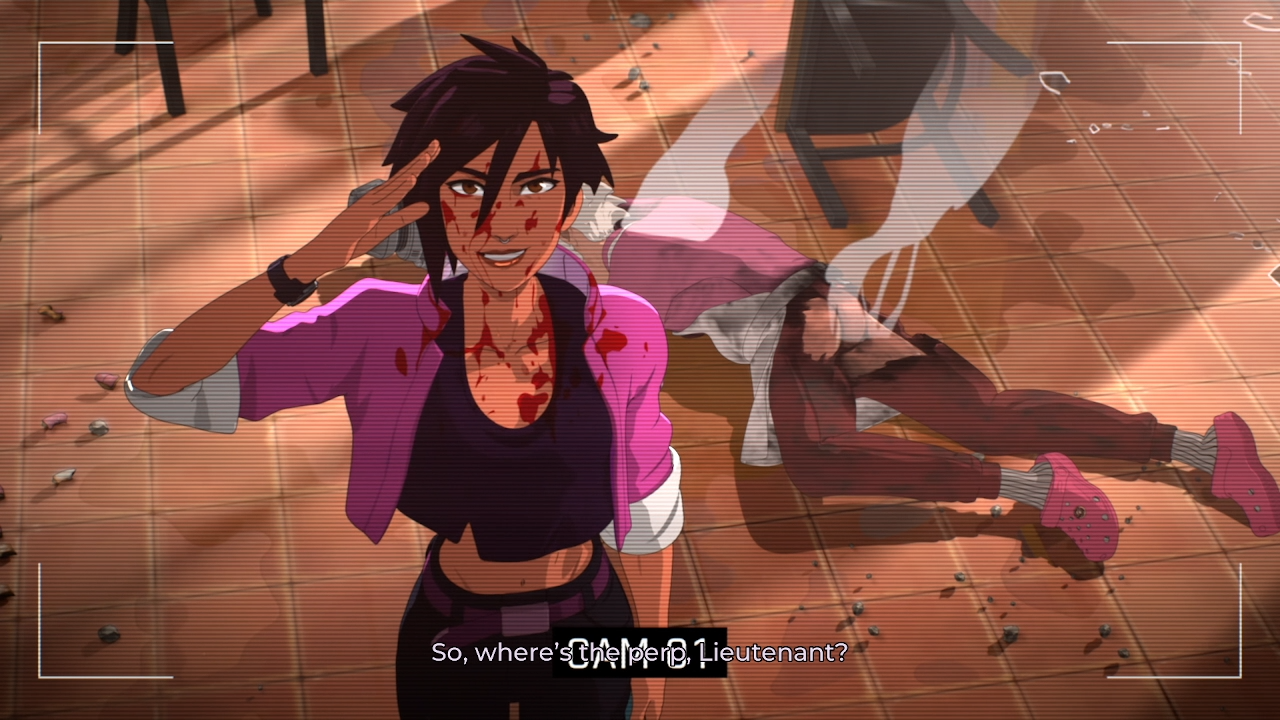
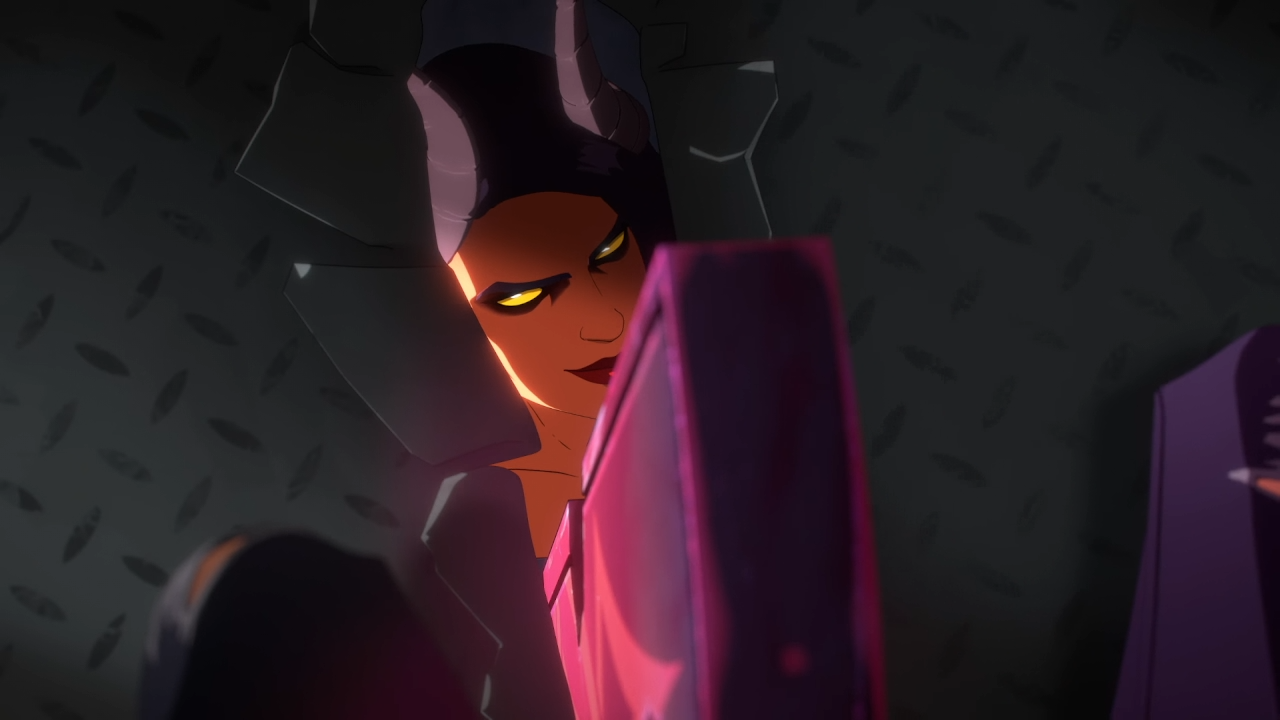
I realize at some point I created a video games category on the blog here to probably review weeb games ten years ago, and never did. So imagine my surprise when I look and see no posts under it, making this post the first ever video game review on the blog. Magical!
And for a game like Dispatch, which isn’t anime, but is still well-animated enough to earn its keep here, it’s a game that is most certainly worth your while if you’re into Telltale-as-a-genre games, that narrative visual novel-esque choices-and-consequences story-driven experience. Developed by AdHoc Studio, which is made up of alumni from Telltale Games, Ubisoft, and Night School Studios, with additional funding assistance from Critical Role, Dispatch is a story about a fictional Los Angeles California full of superheroes and villains, where Robert Robertson III (Aaron Paul), aka Mecha Man, loses his suit in a fight with the Red Ring gang, headed by the notorious Shroud (Matthew Mercer), who killed his father fifteen years prior causing him to take over the Mecha Man suit and name. With the suit damaged beyond repair and no remaining money to fix it, he is recruited by The Superhero Dispatch Network (SDN)’s Torrance branch head Blonde Blazer (Erin Yvette) to help dispatch a specific team of rehabilitated villains looking for be heroes.
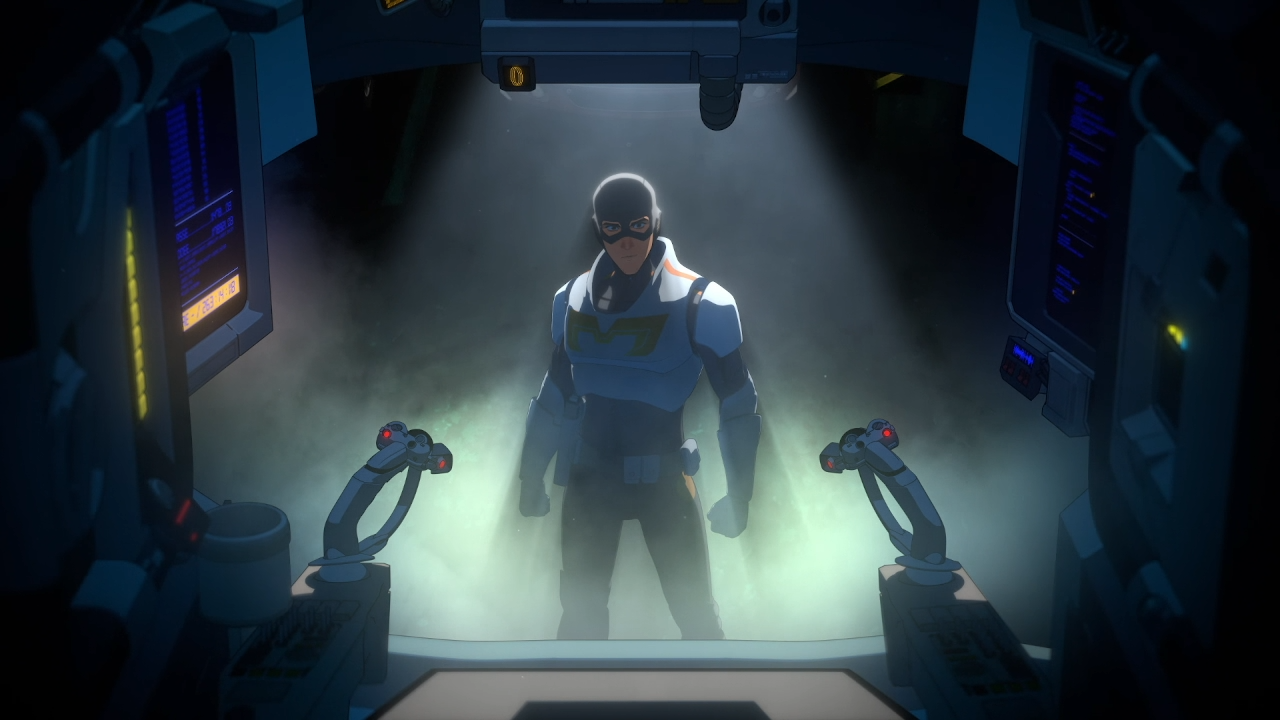
If you played the demo that was released earlier in the year, what that wound up being was the first half of Episode 2, which is your introduction to the “Z-Team” consisting of Sonar (Charles “MoistCr1TiKaL” White), Flambae (Fahim Anwar), Invisigal (Laura Bailey), Coupe (Mayanna Berrin), Punch-Up (Seán William “jacksepticeye[” McLoughlin), Malevola (Alanah Pearce), Golem (Matthew “Yung Gravy” Hauri), and Prism (Harvey aka Thot Squad). This rag-tag team of “fuck-ups” from the mouth of Chase (Jeffrey Wright) are part of “The Phoenix Program” at SDN and are looking to turn their lives around. Robert agrees to become their dispatcher and leads them through shifts of SDN subscriber calls for everything from kittens to coffee runs to run-ins with gangs and criminal organizations.
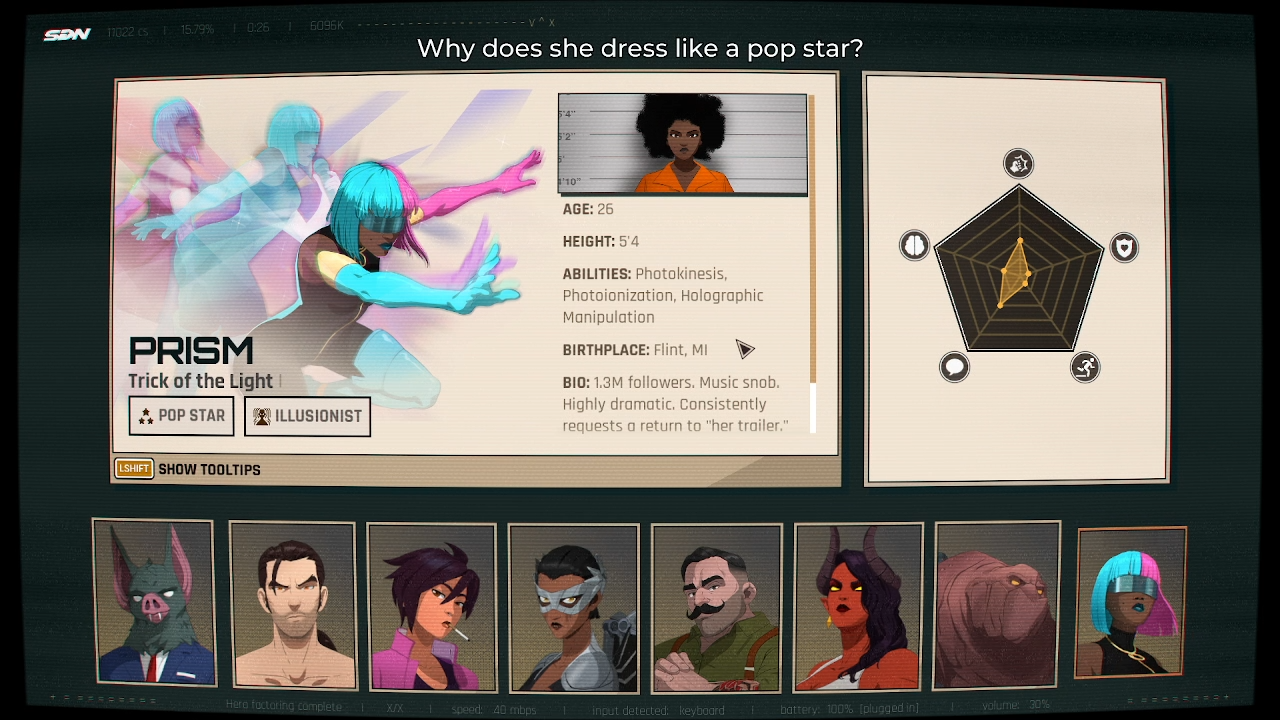
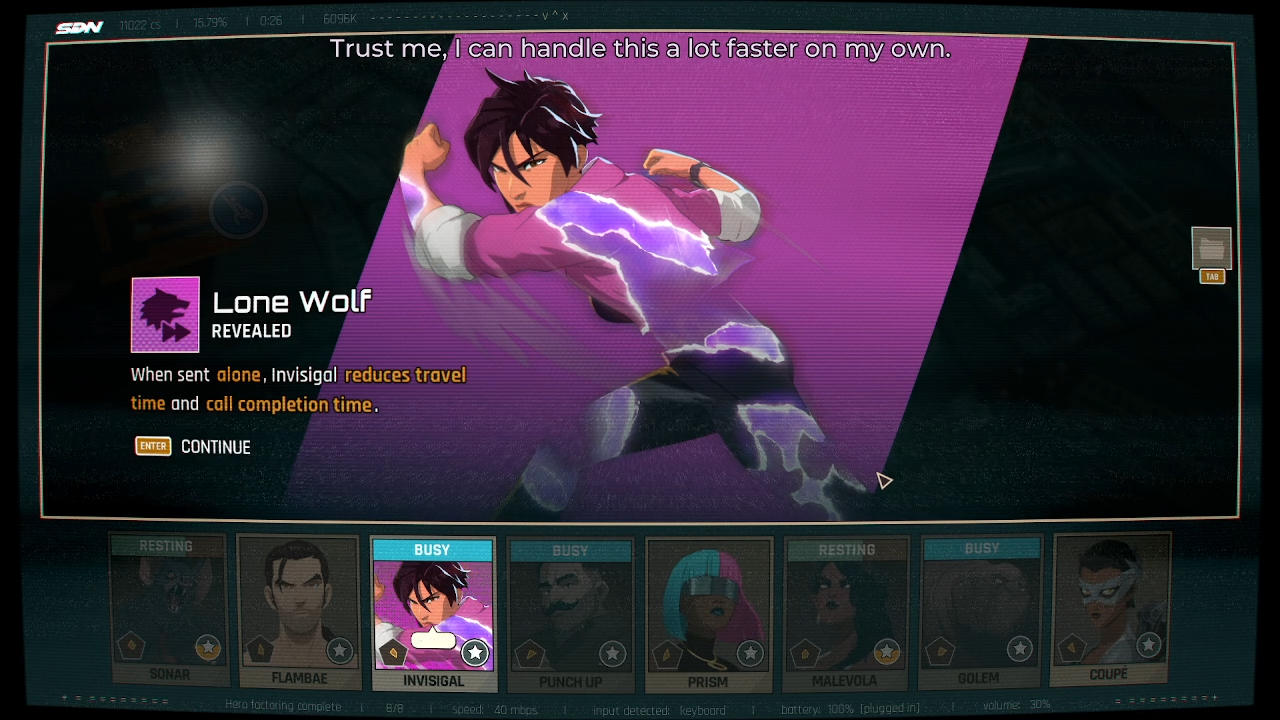
The core gameplay of Dispatch can be best described as mostly cutscene dialogue-driven narrative with choices and QTE events, point-and-click, tabletop roleplay, and puzzle. If you’re familiar with Telltale games, then you already know that you’re routinely given dialogue choices that affect all characters, certain characters, or yourself. This game does not have any branching story paths, it follows a preset story from start to finish. However, the dialogue choices will affect how your “Robert” is affected, if he chooses to be more than friends with two female characters, his relationship with the Z-Team, choosing between two of the team’s lowest performing members to cut, and various choices that affect his final confrontation with Shroud.
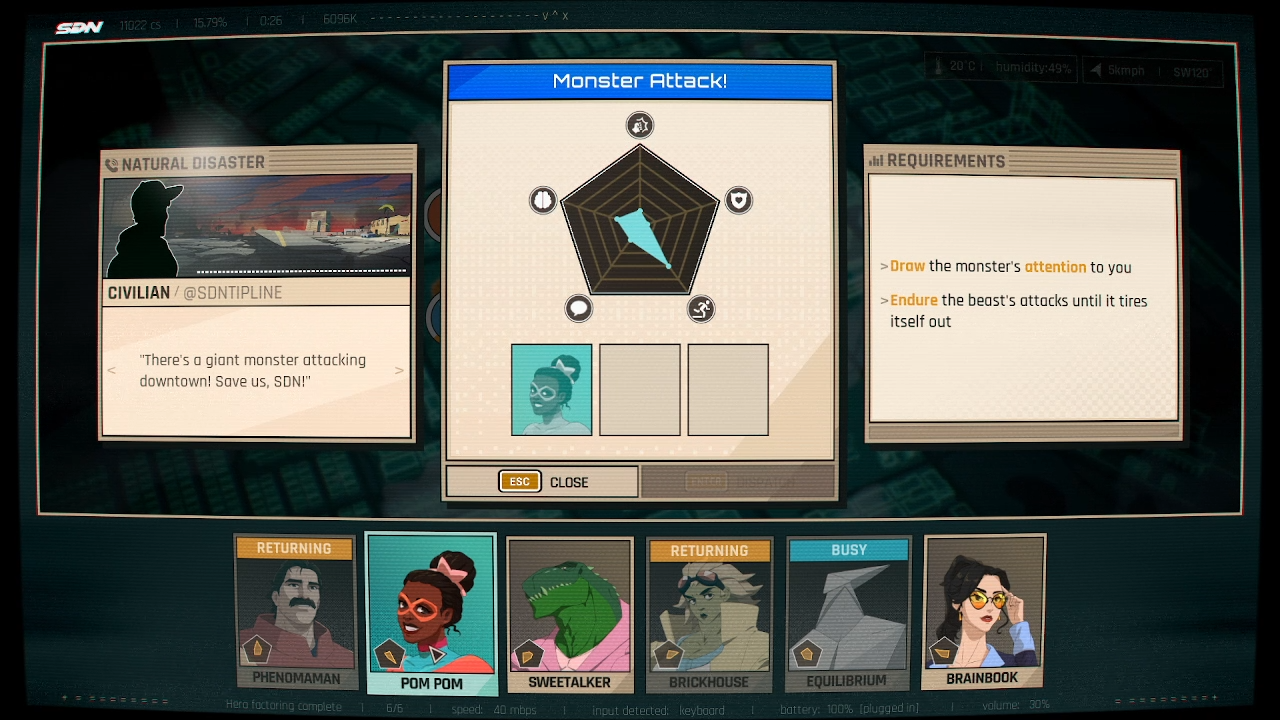
As for the secondary main gameplay mechanic, the actual dispatch, you are given a number of heroes with different strengths and weaknesses that correspond to five values, Strength, Intelligence, Charisma, Mobility, and Vigor. Your heroes will start out pretty low on everything, but as you successfully complete missions, they’ll earn XP and earn up to ten points to spend anywhere on the grid. So you can customize to an extent each hero, ideally to handle greater challenges further into the game. Each mission will have its own parameters, and your goal is to “dispatch” one or more heroes to meet those parameters. Some missions can only dispatch one hero, others can go up to four, but you do not need to dispatch four heroes. If you think you have one hero who can do a four-slot mission solo, you can do it. Sometimes heroes will put themselves in on a mission, such as Sonar, Invisigal, and Malevola. One hero, Waterboy (Joel Haver), whom you meet at the start of episode two and whom joins later depending on your choices, has a special skill that forces him into the roster and you can only remove him once. If you fail a mission, your hero is injured, and if your injured hero fails again, they’re downed. There are “pharmacy items” you can get that will “rest up” a hero, heal them, or revive them, once per shift, obtainable by raising your Dispatcher Level up, which also gives you a bonus random skill point to spend on whomever you’d like.
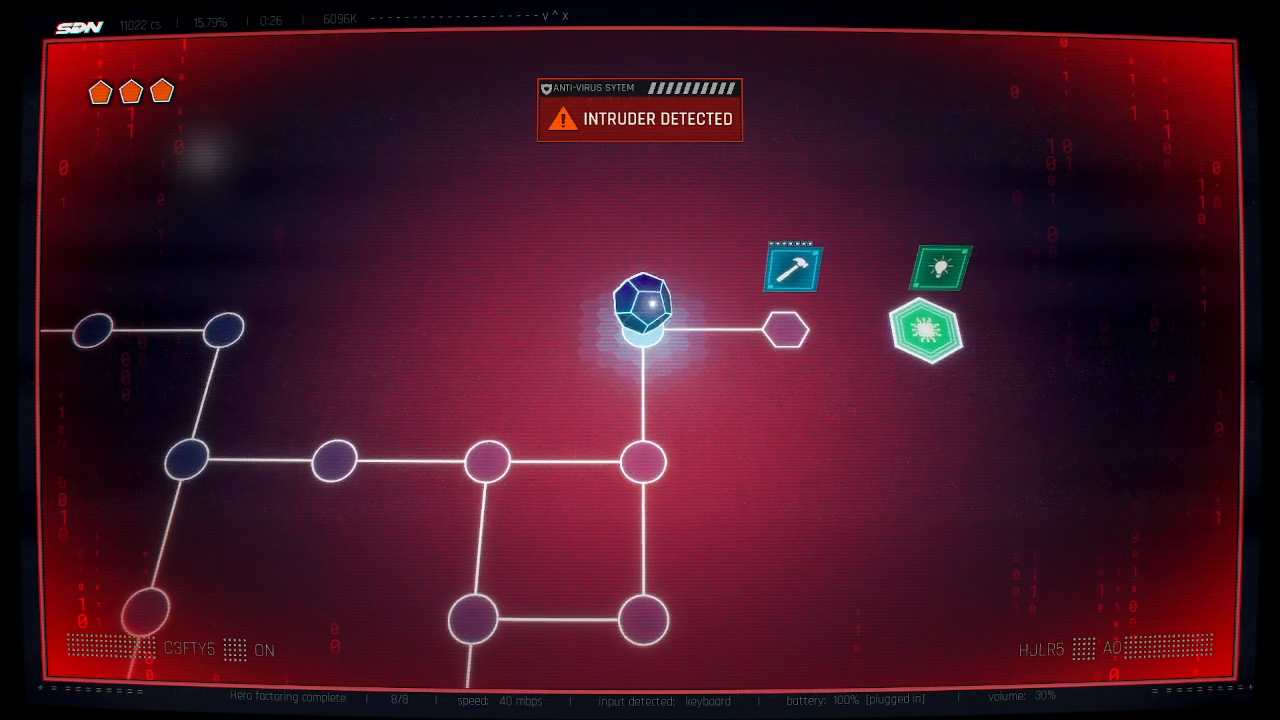
Lastly, there are hacking minigames that Robert attempts on his own both during shifts and outside of shifts. These involve moving a dice through a pathway and solving various obstacles, from nodes where you have to enter the correct direction on the keyboard (WASD), the correct direction but mirrored, passwords you have to find from other nodes, power nodes, and locating the correct sine wave on the map. You also have to occasionally content with antiviruses who attack you, and unless in certain circumstances, they can’t be removed so you have to be fast. There is a menu option that will allow you to fail indefinitely until you succeed, but with this option off, you have three chances before you “fail” the hack, which can affect the story.
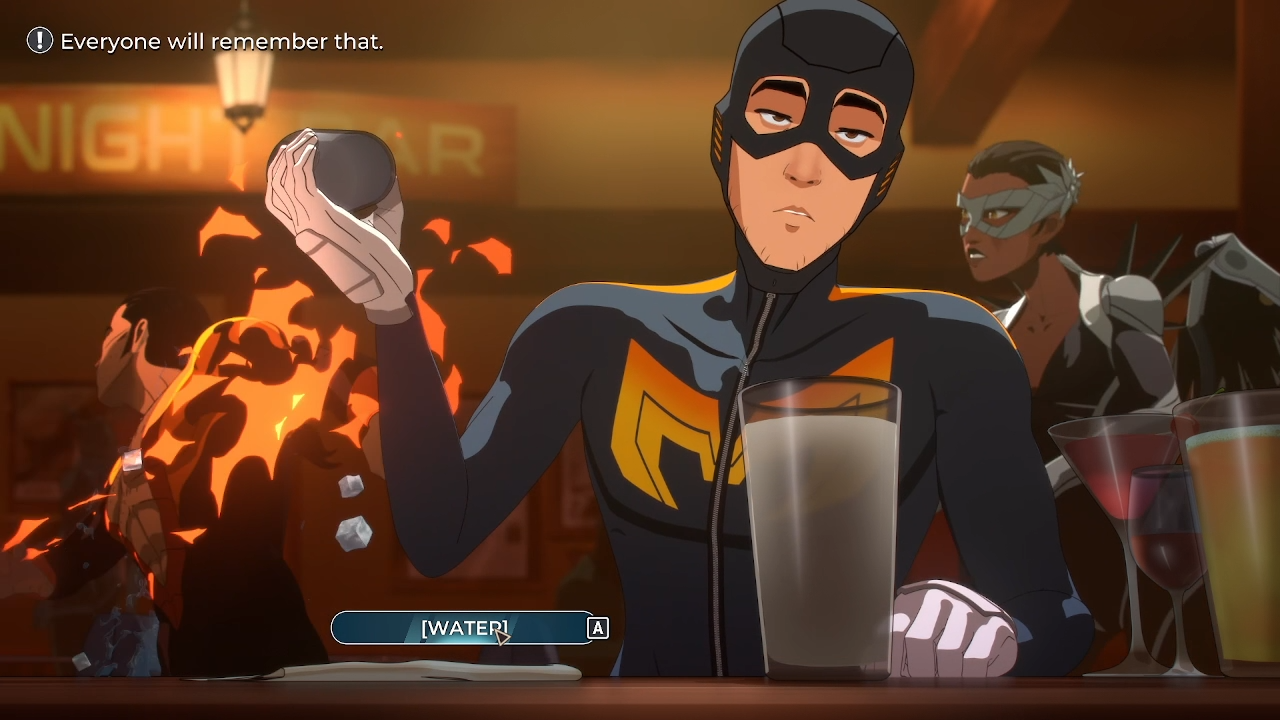
While I certainly enjoy the secondary gameplay loop, and think they could maybe stand to release some add-on shifts or an endless mode just to give players more of this gameplay to chew on, you’re here for the main story, and it’s very, very good. I’ve been noting the voice actors above with the characters because when this game was announced at The Game Awards 2024, everyone saw how stacked that roster was. Right off the top you have Breaking Bad’s Aaron Paul as Robert/Mecha Man and he sells the character extremely well throughout the game. Being structured as a sort of low-man has to slum a desk job dispatching superheroes in this whole retro-esque office vibe, he brings an amazing range of humor and witty one-liners to the party that begin literally with the first scene in what you would have thought was a therapy session but it was just him interrogating one of Shroud’s men. You then have veteran anime and game voice actors like Laura Bailey, Erin Yvette, Matthew Mercer, and Travis Willingham, content creators like MoistCr1TiKaL, jacksepticeye, and Alanah Pearce, and musical talent like Yung Gravy and Thot Squad. Together with a few more people in and around Telltale’s universe and beyond, they came up with an absolute gold star cast for this game that fits the characters easily. Part of that was because this was originally meant to be a live-action series inspired by This Is SportsCenter commercials from ESPN. Due to COVID, they scrapped that and instead reworked it into a video game, and it’s a good thing they did because even if the former would have been funny, the latter was well-received before release, and even moreso after.
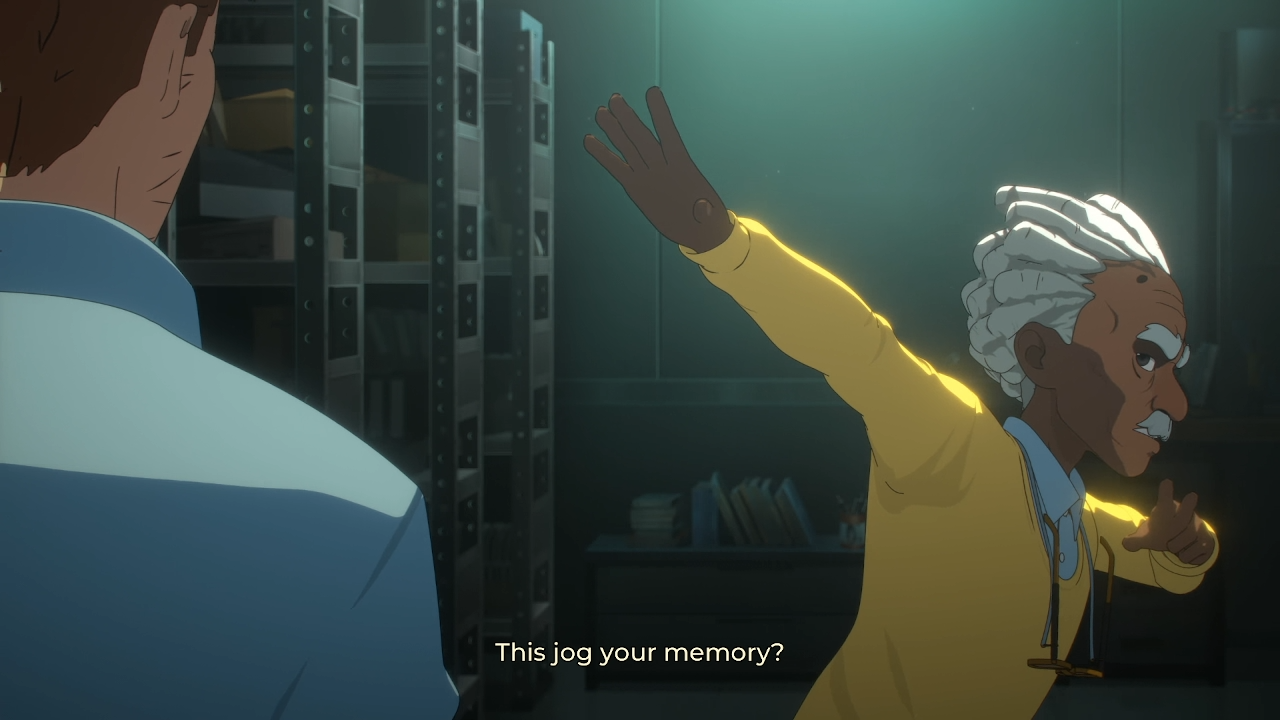
Now, the game is not without a few issues, and really they’re minor quibbles. Before I learned that they had toggles for turning off QTEs and allowing infinite attempts to hack, I had mentioned on social media that I didn’t like the QTEs in the middle of fights. I was focused too much on watching these epic fights occur and would miss a number of triggers. Obviously they didn’t really affect much in the story, but that’s kind of the point. If they don’t matter to the story in any appreciable way, just don’t bother with them at all. Gamers used to be much more vocal about QTEs in games a decade ago, but I guess that faded away and we’re still doing pointless QTEs. The no-fail hack was nice though to learn some of the tougher puzzles, but I think what would have been better to do instead of no-fail is either offer a saving throw mechanic of some sort, or maybe you have a sub-hack game upon failure you have to do to salvage the hack. Essentially give the player some additional means to win, but if that fails, then they’re out.
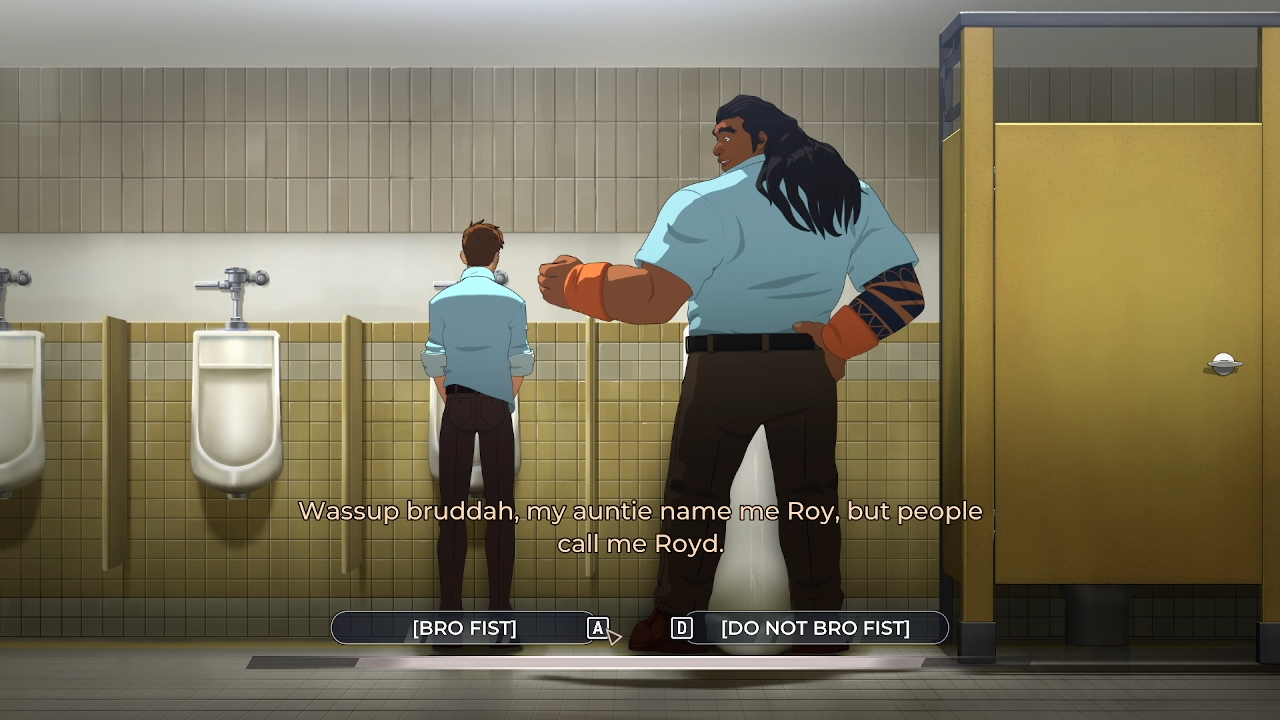
Story-wise, without diving into deep spoilers, I will say that I didn’t really care much for the “romantic options” between two of the characters. The main reason for it was the game wasn’t long enough for it to really be impactful, and it kinda felt like you were being pushed into it too early. I felt a weird immersion-disconnect in the first episode being given the option to kiss one character when we’re just getting to know them. Now, if you’re like me, or you watched my Youtube playthrough and you’re trying to be the consummate business professional, you can do this in the game, and it does have a route and ending that notes you just kept it strictly professional. But in doing so, I wound up with the double-bad ending because I made choices that I felt stuck with that business professional candor that ended up being choices for either the romance options, or team/mentor options. Perhaps that was intentional on their part, to show you that indifference is also a consequence of one’s actions. But after playing the game three times and running all the routes, I was left to conclude that the romance was just kind of shoehorned. If you’re going to do romance in a game like this, you should have probably four more episodes to build on it, and include more than just two heroes. They kind of give you a third, but I’d call it more of a learning experience than a romance option. I’m not saying they needed to go full LGBT∞ and pile on different genders and identities, though a couple are implied in the game. I actually appreciate when those are well-written into the script and not just kinda flailing for Instagram and Bluesky virtue signalling. That’s the mark of a good writing team that knows how to weave an organic story you don’t need to scrutinize for a line in the sand. It’s just there.
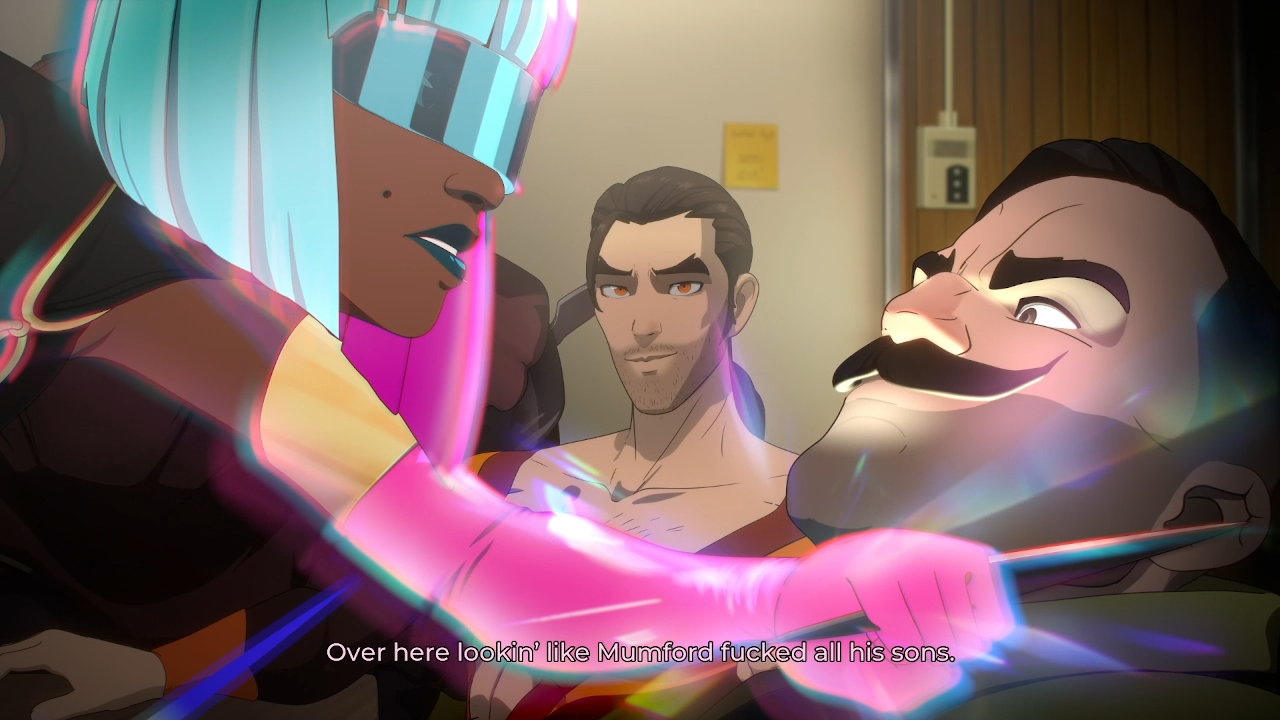
Heroic Observations
- I didn’t pay huge attention to all of the stats, but when it came to Team Blazer or Team Visi most people chose Visi. While I admit there was a certain charm to Blazer, there was just much more character in Visi throughout the game that made her more of the rooted-for-underdog.
- Despite having more than one line in the game, poor Galen was not included in that final fist bump, and didn’t really get much else in the game. If they do more episodes, he needs an expanded role. Maybe the new head of SDN Torrance?
- Minor spoilers, but since the story revolved around Robert’s father’s old team, it would have been more interesting to have had more of them show up in the final fight and maybe be an additional option to the choices Robert can make.
- The soundtrack for this game slaps, and I mean serious. Besides having music from Prism’s Thot Squad and Flambae’s Fahim Anwar doing a cover of Meredith Brooks’ “Bitch” in Episode 5, the game features a handfull of indie artists with tracks that pair with their scenes so well. A few notable tracks include “Radio” by Bershy, “Ride like the Wind” by Christopher Cross, “Seasons (Waiting on You) by Future Islands, “Kissing Someone Else” by Caroline Kingsbury, and “6AM” by Channel Tres.
- Now that the game has done well financially and they’re not flat broke (which almost happened twice during development) there is talk of both more episodes, and Critical Role is exploring tabletop angles for the franchise as well. Definitely want more episodes, unsure about TTRPG. I know a lot of people like CR, I have a dude at work who nerdsplooges over them. I like D&D but I don’t really care all that much for listening/watching people play it unless it’s some extremely interesting one-off. I found myself enjoying the hell out of Penny Arcade doing Mike Pondsmith’s Cyberpunk RED campaign last year. I would probably enjoy watching/listening to someone play a tabletop of this, but it’d have to be the VAs playing themselves or unique characters. We’ll see how that shakes out.
Final Score: Nine hot sloppy donuts from my mouth to my butt, out of ten Lieutenant’s possibly named Dan.
Dispatch is out now and available on PC (Steam and Epic) as well as the PS5. I did not receive a review copy. The fuck you think I am? Important? But that’s probably a useful disclaimer to note in Our Year of the Whiny Pissant Gamers, I guess.